The plant
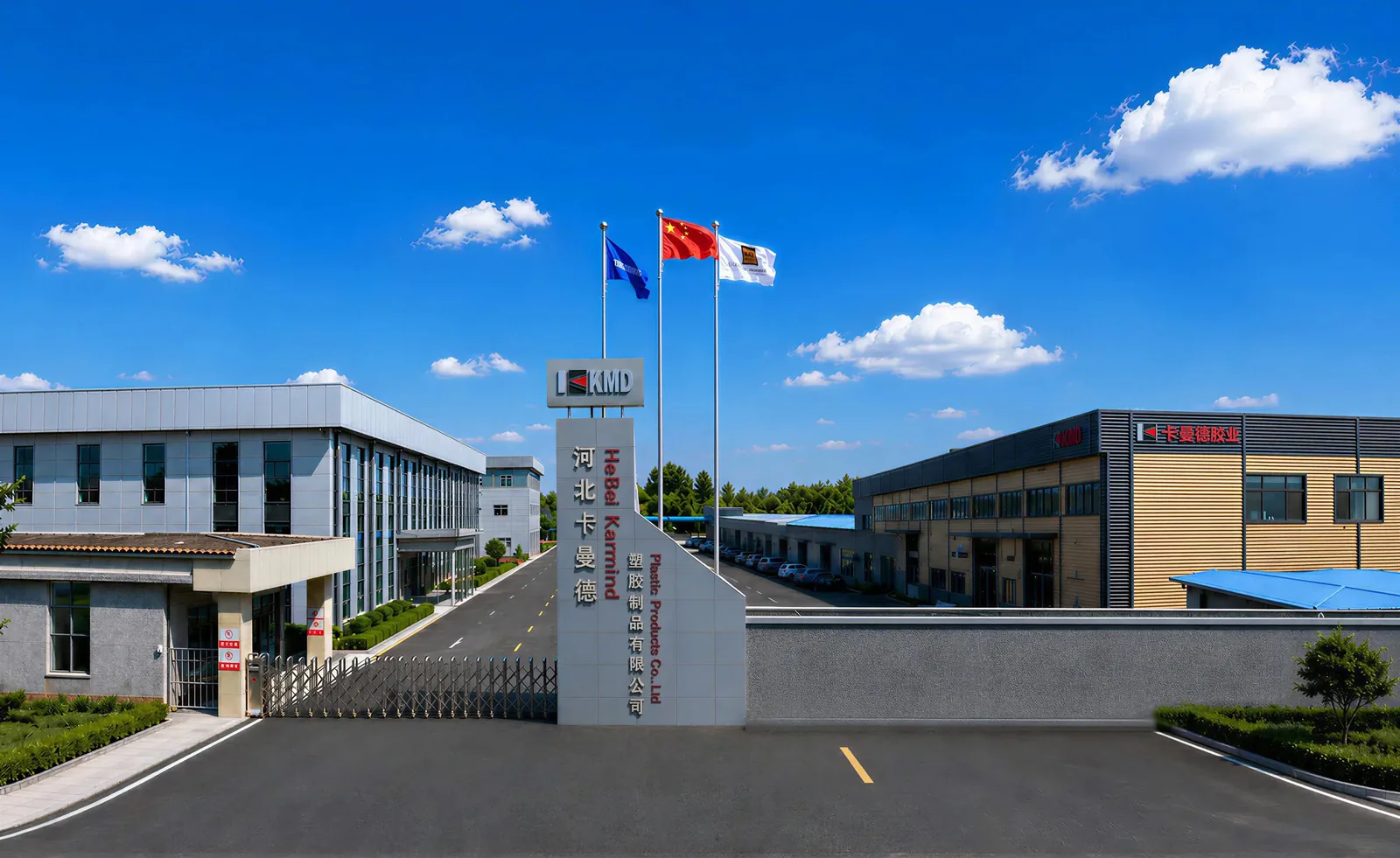
Wei County, Hebei — 10 sealant production lines, 10,000 tonnes a year, and a team of over seventy. Everything from mixing to cartoning happens on one site.
What happens on site
Mixing
Polyurethane, STP and PUR systems are batched separately. Pigment and filler dispersion is where colour consistency is won or lost — the same RAL looks different if the filler load moves.
Filling
310 ml cartridges, 400 and 600 ml sausages, 200 L barrels and 5 ml–1 L cans. Filling is where air entrapment shows up, so the line is set per pack format rather than run at one speed.
Testing
Batch samples are checked against the properties listed on the model page — tensile, elongation, skin time, hardness, density. The methods are on the quality page.
Packing
Cartons to the approved artwork, pallets mixed across models for distributors, and export packing agreed with you at quotation stage.
What the plant actually runs
Ten lines, each tied to one family: the three windscreen grades on lines 1–3, body and construction sealants on 4–6, STP on 7, PUR on 8, activators and primers on 9–10. The split matters because a changeover on a moisture-curing product costs a purge and a cure check, not a label swap.
Capacity in units you can check
10,000 t a year across ten lines is about 1,000 t per line, or roughly 3 t per line per working day at 330 days. A 310 ml cartridge holds about 400 g, so one line's day is around 7,500 cartridges before packaging losses. That is the arithmetic a buyer can repeat; it is not a quoted output.
What we test, and what we keep
Incoming raw material: NCO content and viscosity on each drum. In process: bead appearance and skin time at the start and end of every shift. Finished goods: tensile and elongation on a cured sample per batch, with the record kept for 24 months. Accelerated weathering is not run in-house, which is why no page on this site claims a weathering result.
Where it ships
Export orders leave from Hebei; tell us the port you want quoted and the documentation your broker requires. Labelling and origin paperwork differ enough between markets that discovering the gap at loading costs a week.